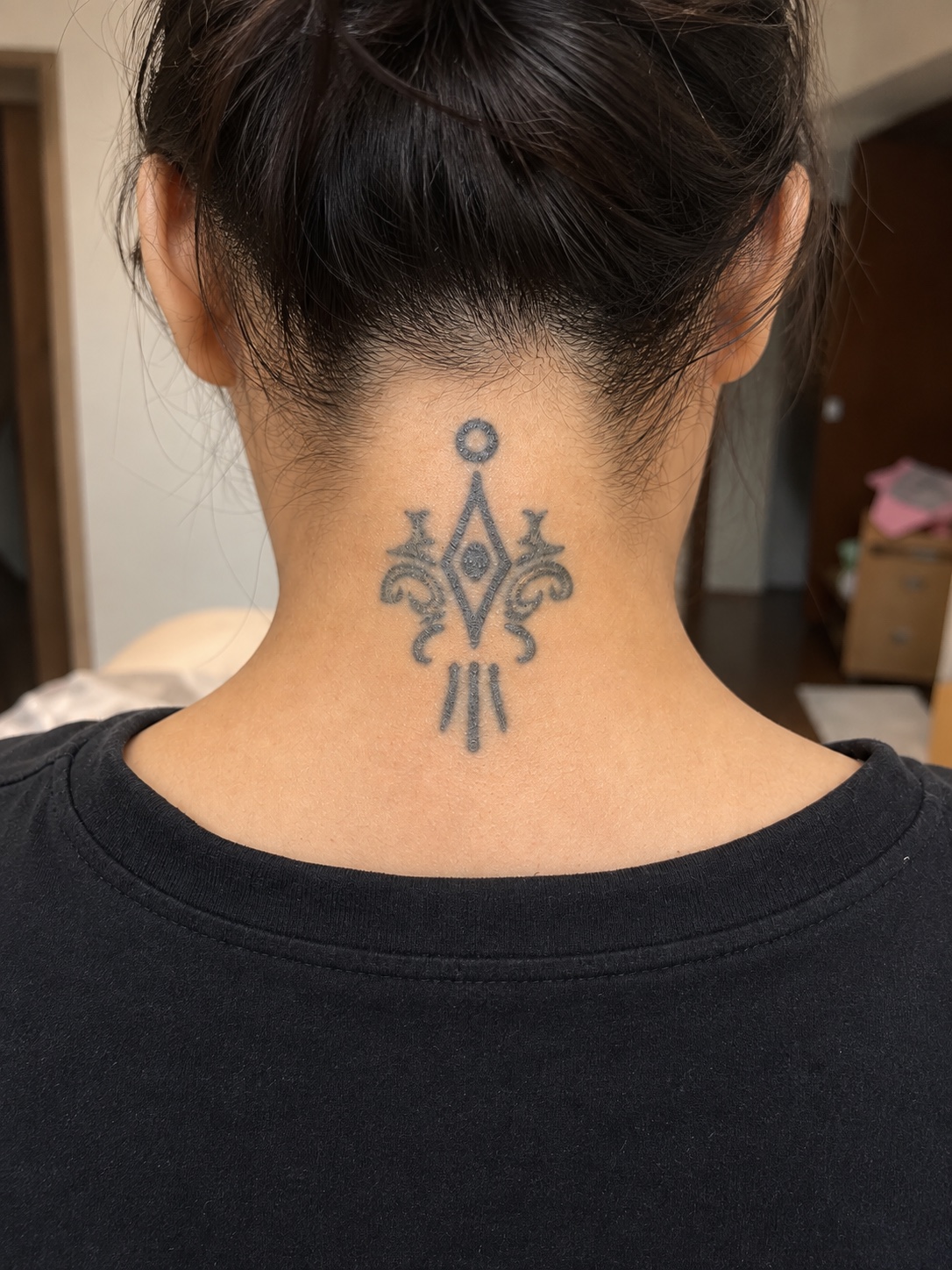
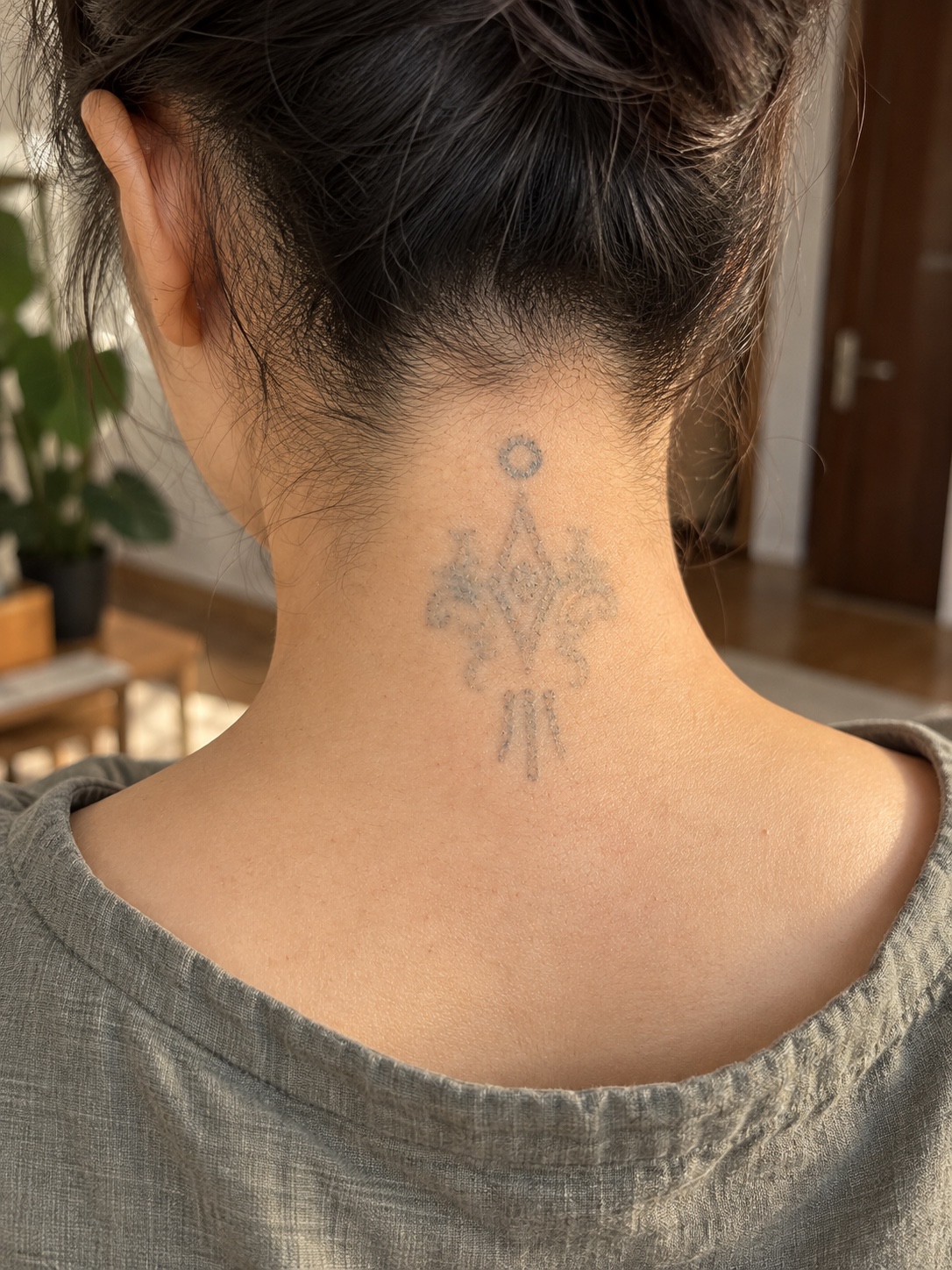
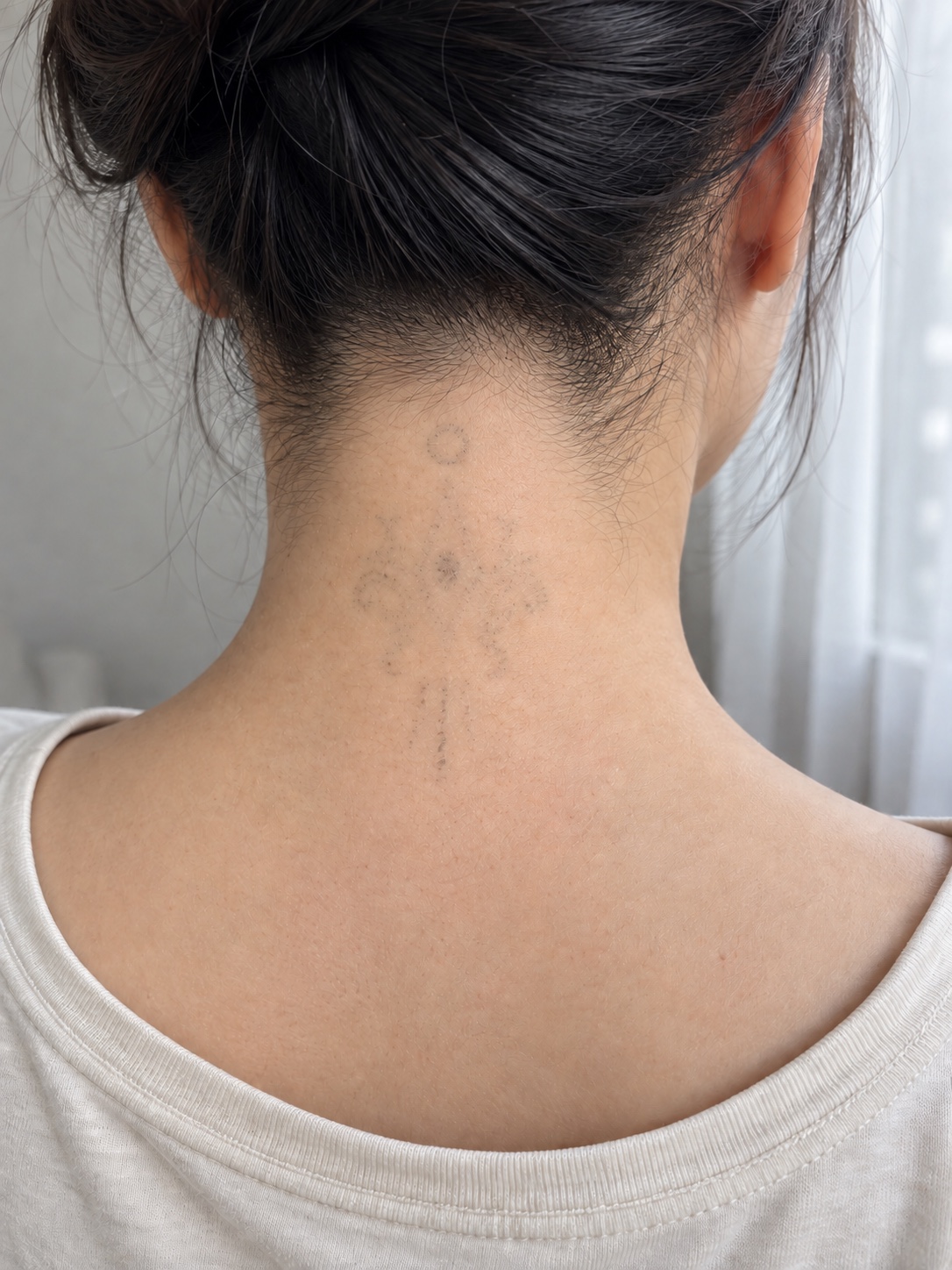
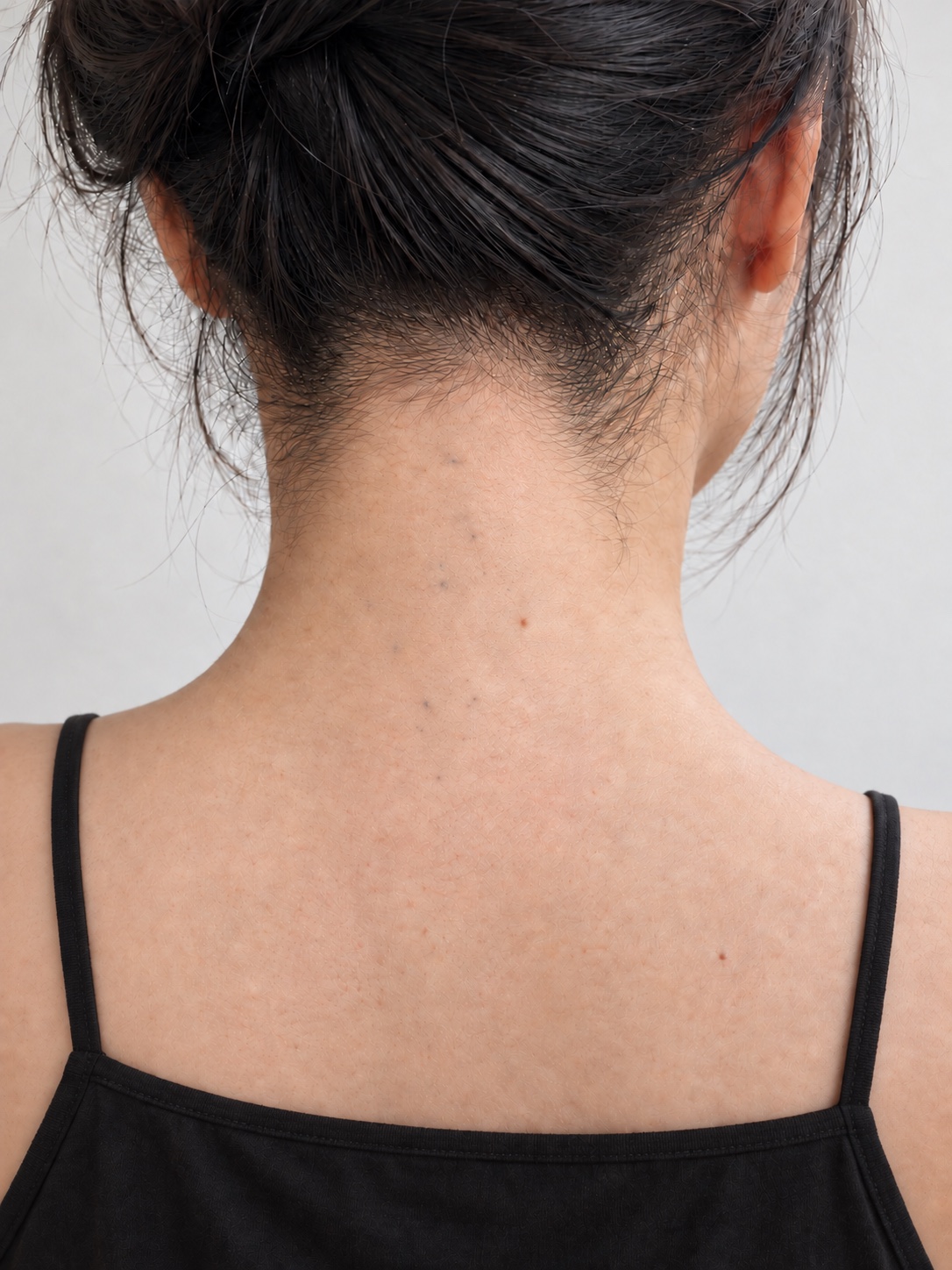
Real client cases; individual results vary. View more cases →
Look at the trend, not one photo as a promise
A big part of the first session is seeing how your skin and ink actually respond. After that, each session should compare photos once you've fully healed before deciding energy, wavelength, coverage and timing. The same tattoo shown after sessions 1, 2 and 3 on our home page helps explain gradual fading, but can't be applied directly to someone else.
| Stage | What to look for | What it doesn't mean |
|---|---|---|
| After 1 session | Skin recovery; whether the ink starts to loosen or the edges lighten | One session's response can't predict the final result |
| After 2–3 sessions | Compare with the first photo to see a steady trend and remaining ink | Three sessions does not clear every tattoo |
| 4+ sessions | Treat deeper, denser or multi-colour residue and reassess the goal | More sessions don't mean you must continue until it's invisible |
Which tattoos are usually more complex?
- Saturated, repeatedly touched-up or layered cover-up tattoos
- Tattoos with several colours
- Dark ink, large areas or very dense edges
- Tattoos treated before by another method, where the skin needs reassessing
- Short intervals, recent sun exposure or skin that is still inflamed
Sessions are typically 6–8 weeks apart, but that's not a fixed rule. Some cases need longer. More frequent treatment isn't faster; the next session is timed by how you heal.
When can you stop?
Your goal decides the stopping point. If it's for a cover-up, you may not need full removal once the base suits the new design. If you want it as gone as possible, we keep assessing the remaining ink, your skin, and whether further treatment is worth the benefit and risk.