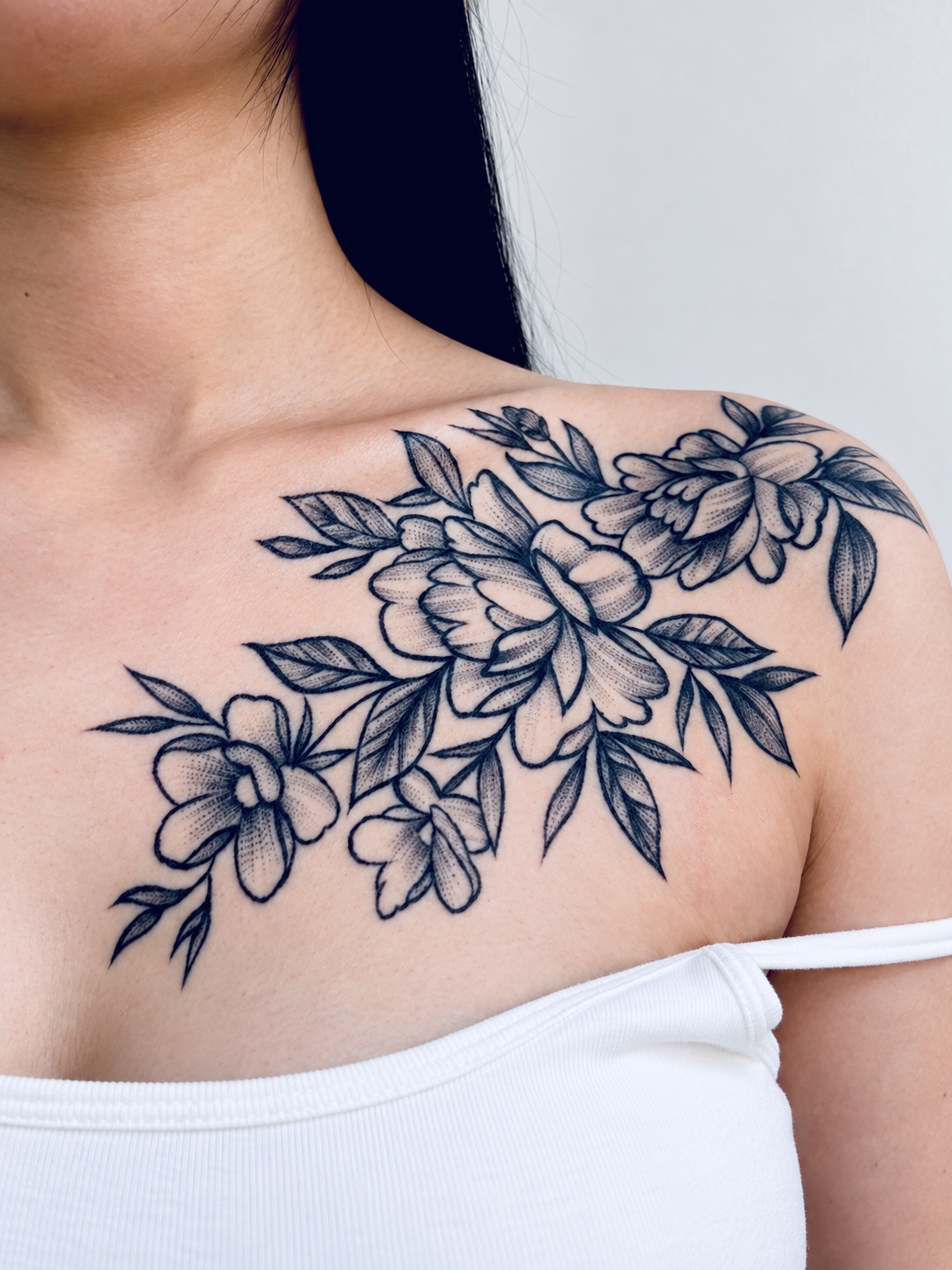
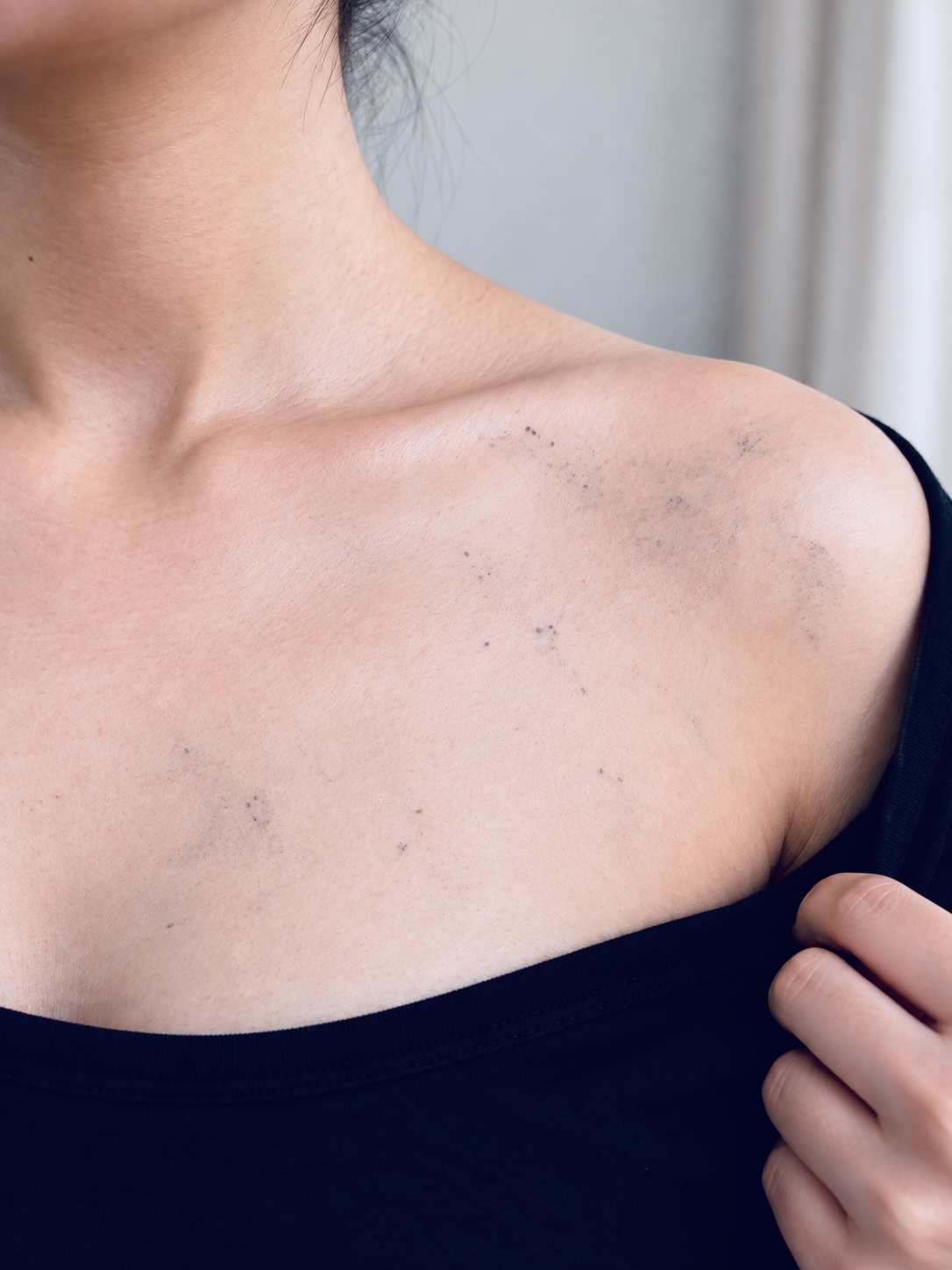
Real client cases; individual results vary. View more cases →
What's the difference between full removal and fading for a cover-up?
Full removal aims to minimise visible ink. Cover-up fading works backwards from the new design: which lines are too dark, which areas limit the composition, and which can stay. The two may need different treatment areas and stopping points.
One studio, two clearly separate services
Removal-KL is the tattoo removal service run independently inside T-One Tattoo's Kuala Lumpur studio. Both share the same address, but consultations and websites are run separately. This lets you plan “how to cover it after fading” in one place, without treating removal and a new tattoo as the same service.
What we look at together
- The old tattoo's outline, darkest areas and ink layers
- The area, style, contrast and size the new design needs to cover
- Which areas must be faded and which can blend into the new design
- Healing time after treatment and when to schedule the new tattoo
- Whether you accept that the new piece may need to be larger or darker than the old one
A more practical process
Record colours, density, edges and any cover-up history.
Discuss the new design with the tattoo artist to find the areas that really affect it.
Compare against the goal after each recovery, without promising a fixed number of sessions.
Healing results and the new design decide together whether to continue.
After fading, where do I get the new tattoo?
Removal-KL and T-One Tattoo share the same address. Once the tattoo is light enough, you can talk directly with T-One's artists about a cover-up or rework design, and both teams coordinate the fading goal around the new piece. See T-One Tattoo's cover-up and rework tattoos →